Proving or Prooving: Which Spelling Is Correct, Meaning, Grammar Rules, and Usage Guide
Proving or Prooving creates common spelling confusion because English spelling changes when a verb form becomes a present participle. Many ...
Read more
Placque vs. Plaque: Which Spelling Is Correct and How Should You Use It?

Understanding the Difference and Correct Usage Placque Vs. Plaque is a common spelling question. The correct word is plaque, while ...
Read more
Unorganized vs Disorganized: Meaning, Differences, and Correct Usage
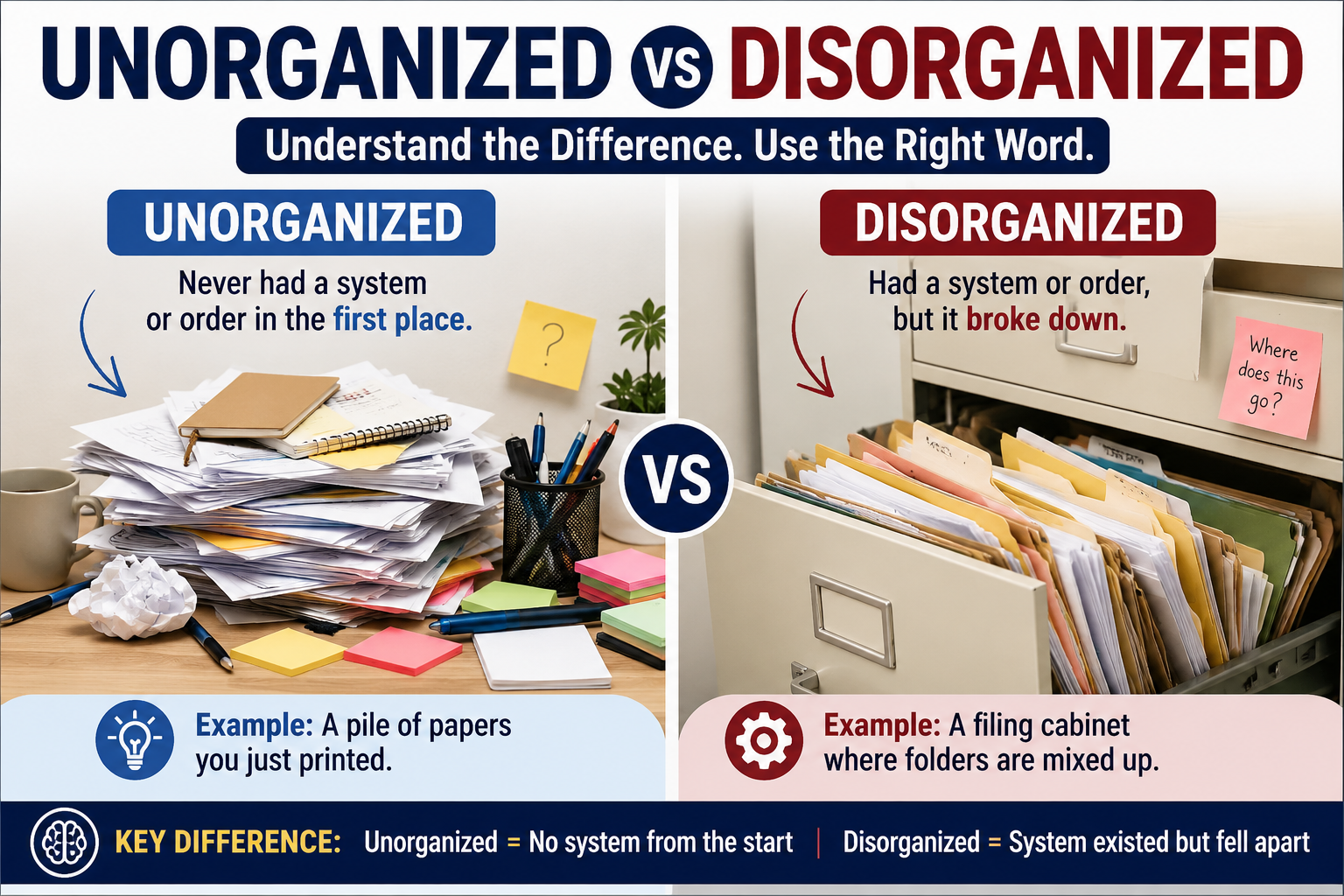
Unorganized vs Disorganized becomes easier when you check whether something lacks a system or has a system that now works ...
Read more
Shute vs Chute: Meaning, Difference, and Correct Usage Explained

Many English speakers stay confused about Shute vs Chute because the pronunciation feels the same, but only chute follows standard ...
Read more
Comming vs Coming: Correct Spelling, Meaning, and Real Usage Explained
In Comming vs Coming, many English learner writers feel common confusion when they type I am comming, unsure if it ...
Read more
Trauma vs Trama: What’s the Difference and Which Spelling Is Correct?
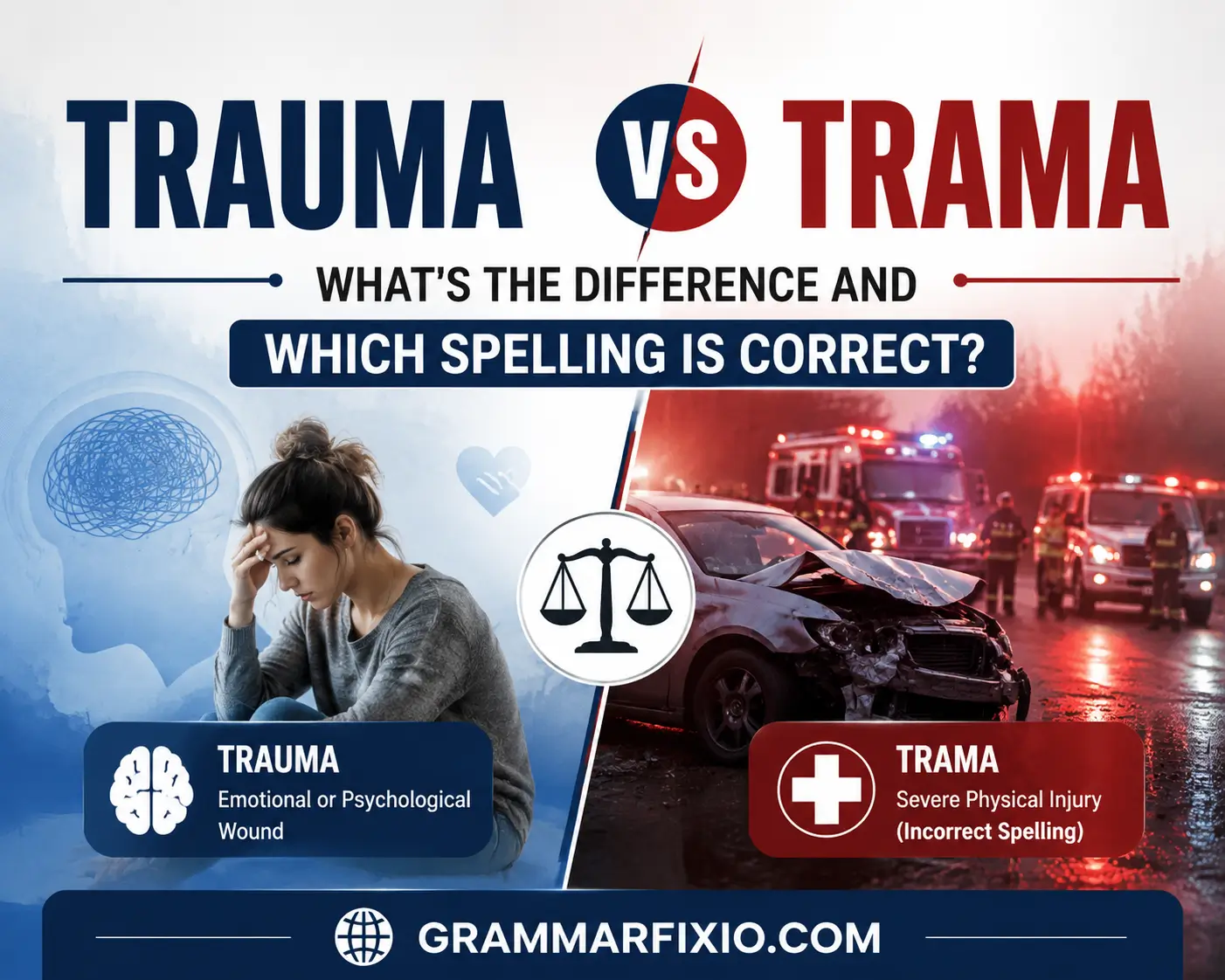
When you look at trauma vs trama, the first thing that usually happens is confusion. The word looks simple at ...
Read more
Imbed vs Embed: Meaning, Differences, Examples, and the Correct Spelling
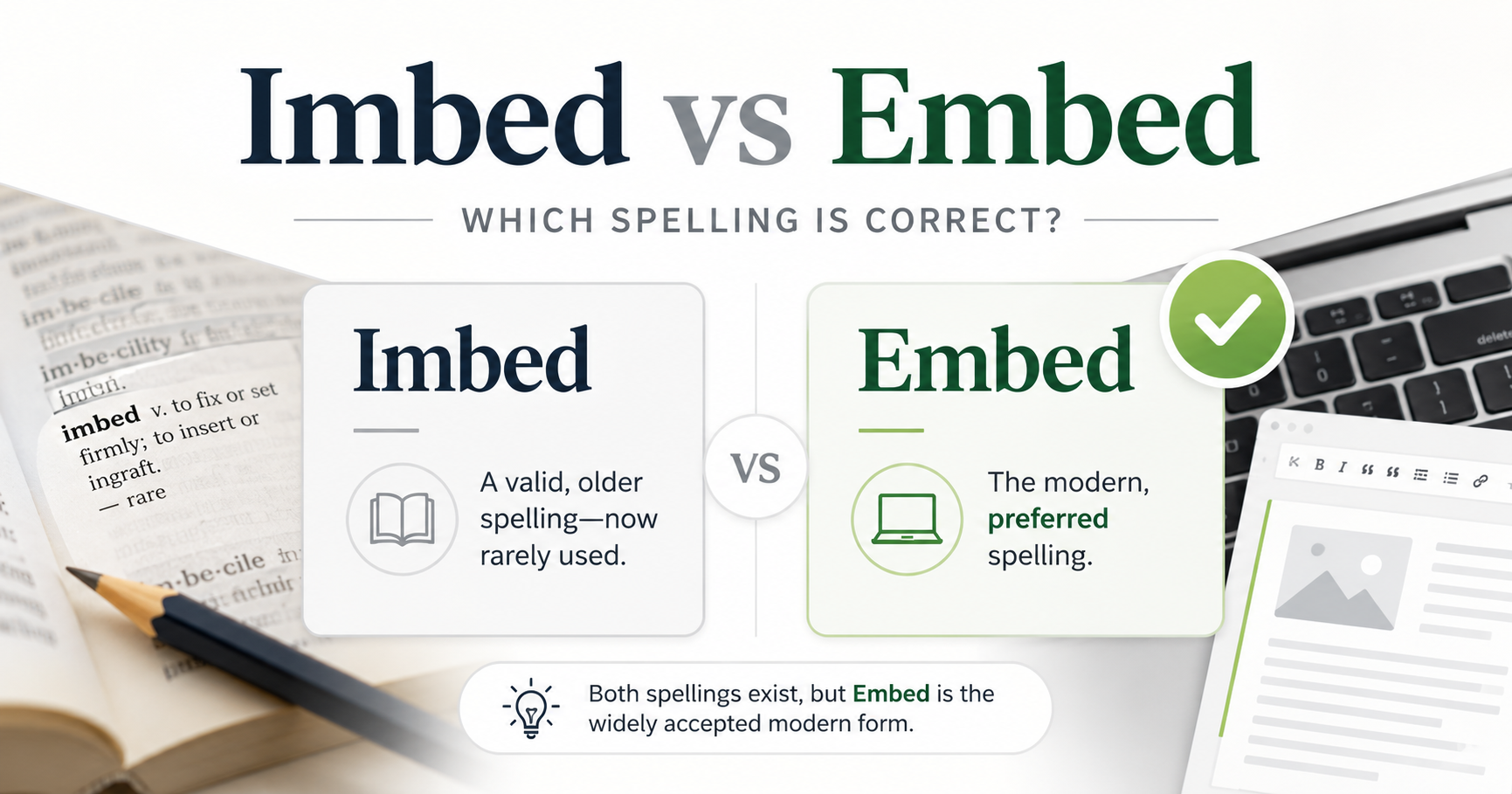
In Imbed vs Embed, both spellings are correct, but embed is the preferred form in modern English because readers recognize ...
Read more
Sence vs Sense: Which Spelling Is Correct and How Do You Use It?
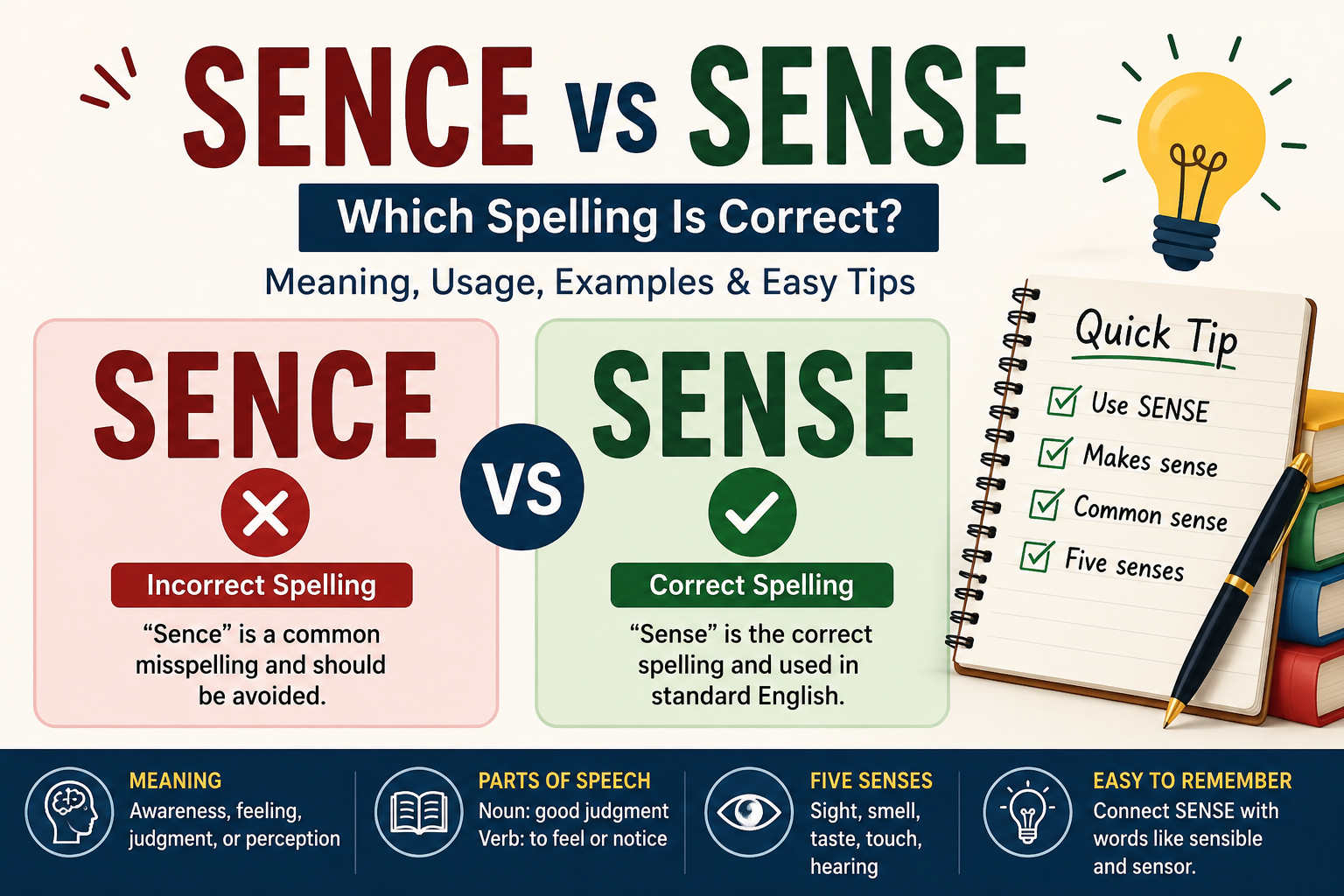
The Sence vs. Sense question is simple: sense is the correct English word, while sence is an incorrect spelling and ...
Read more
Maintained vs Maintenanced: Meaning, Grammar Rules, and Correct Usage Explained

The issue of maintained vs maintenanced often shows up in email, report, and assignment writing, creating confusion for both English ...
Read more
Present vs Presant: Meaning, Spelling Rules, and Real Usage Explained
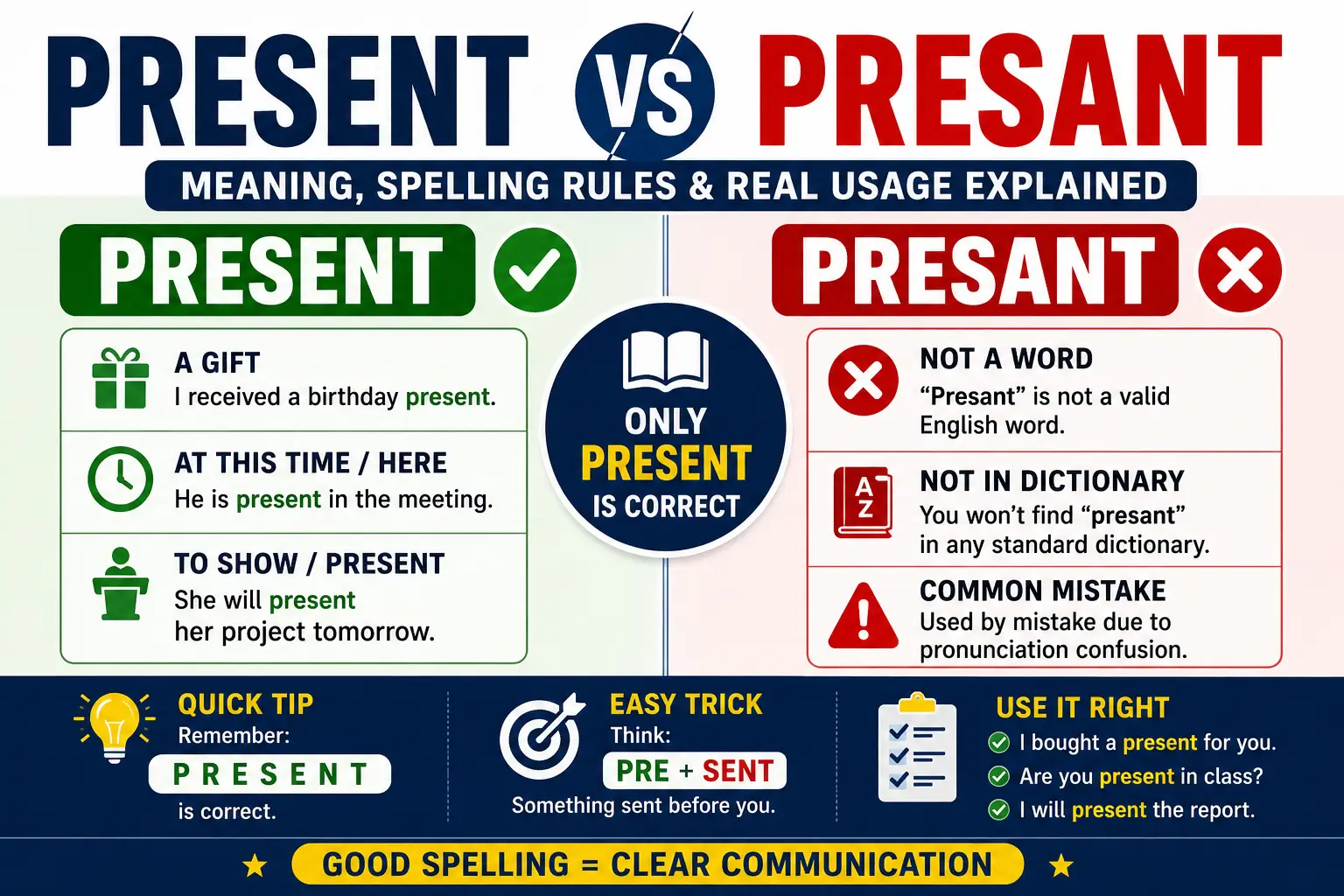
Introduction Many learners often get confused between present vs presant because both words look almost identical when written quickly. At ...
Read more